Introduction: The Complexity of Aging and Health
As people age, health concerns rarely occur in isolation. Chronic illnesses, mobility limitations, cognitive changes, and acute medical events often overlap, creating layers of complexity that challenge both patients and caregivers. Older adults may manage multiple diagnoses simultaneously, each requiring ongoing attention, medication management, and lifestyle adjustments.
In this context, fragmented care can lead to confusion, missed symptoms, and unnecessary hospitalizations. A coordinated approach—one that integrates medical oversight, specialized treatment, and daily support—becomes essential. Rather than addressing conditions one at a time, integrated care focuses on the whole person, recognizing how physical, emotional, and environmental factors interact in later life.
This model is particularly important for seniors navigating cancer diagnoses alongside existing chronic conditions, where treatment decisions must balance longevity, quality of life, and functional independence.
Understanding Multimorbidity in Older Adults
Multimorbidity—the presence of two or more chronic conditions—is common among older adults. Conditions such as diabetes, heart disease, arthritis, and respiratory illness often coexist, influencing one another in complex ways. Symptoms may overlap, making it difficult to distinguish between disease progression, medication side effects, or age-related changes.
Managing multiple conditions requires careful coordination. Treatments for one illness may exacerbate another, and medication interactions become a growing concern. Without comprehensive oversight, care plans can become fragmented, increasing the risk of adverse outcomes.
Recognizing multimorbidity as a central feature of aging health shifts the focus from isolated disease management to integrated care planning.
The Foundation of Primary and Geriatric Care
Primary care plays a foundational role in supporting older adults with complex health needs. Internal medicine and geriatric care focus on comprehensive assessment, preventive strategies, and long-term condition management. These services help establish a baseline understanding of a patient’s overall health, functional status, and personal goals.
Clinics such as Grand Forks Clinic, which provide internal medicine and geriatric care services, often support older adults by coordinating chronic disease management, monitoring medication regimens, and addressing age-related concerns such as balance, cognition, and nutrition. Regular follow-ups allow subtle changes to be identified early, before they escalate into more serious issues.
This ongoing relationship helps ensure that care remains personalized and adaptable as health needs evolve.
The Importance of Preventive and Ongoing Monitoring
Preventive care does not stop with age. In fact, it becomes even more critical as the margin for physiological stress narrows. Routine screenings, laboratory monitoring, and wellness evaluations help identify emerging issues that may otherwise be attributed to “normal aging.”
Early detection of changes—such as anemia, kidney dysfunction, or weight loss—can significantly affect outcomes, particularly when cancer or other serious illnesses are present. Monitoring also supports informed decision-making when considering new treatments or interventions.
By maintaining consistent medical oversight, older adults are better positioned to navigate complex care pathways with clarity and safety.
Cancer Care in the Context of Aging
Cancer in older adults presents unique challenges. Age-related changes in immunity, metabolism, and organ function can affect how treatments are tolerated and how recovery unfolds. Additionally, pre-existing conditions may limit certain therapeutic options or require careful modification of treatment plans.
Centers such as the Cancer Center of Southern California, which provide medical oncology care, often consider these factors when designing cancer treatment strategies for older patients. Treatment decisions may weigh potential benefits against risks such as functional decline, fatigue, or reduced independence. Learn more about their treatments and services at CancerCenterSocal.com.
Integrating oncology care within a broader medical framework helps ensure that cancer treatment aligns with the patient’s overall health status and life priorities.
Balancing Treatment Intensity and Quality of Life
For many older adults, quality of life becomes a central consideration in cancer care. Aggressive treatment may offer potential survival benefits but can also introduce significant physical and emotional strain. Integrated care encourages open discussions about goals, preferences, and acceptable trade-offs.
When oncology teams collaborate with primary care providers, they gain valuable insight into a patient’s baseline function and resilience. This collaboration supports more nuanced treatment planning that respects both medical evidence and individual values.
Such alignment helps reduce overtreatment while ensuring that necessary care is not withheld due to age alone.
The Role of Home-Based Support in Daily Living
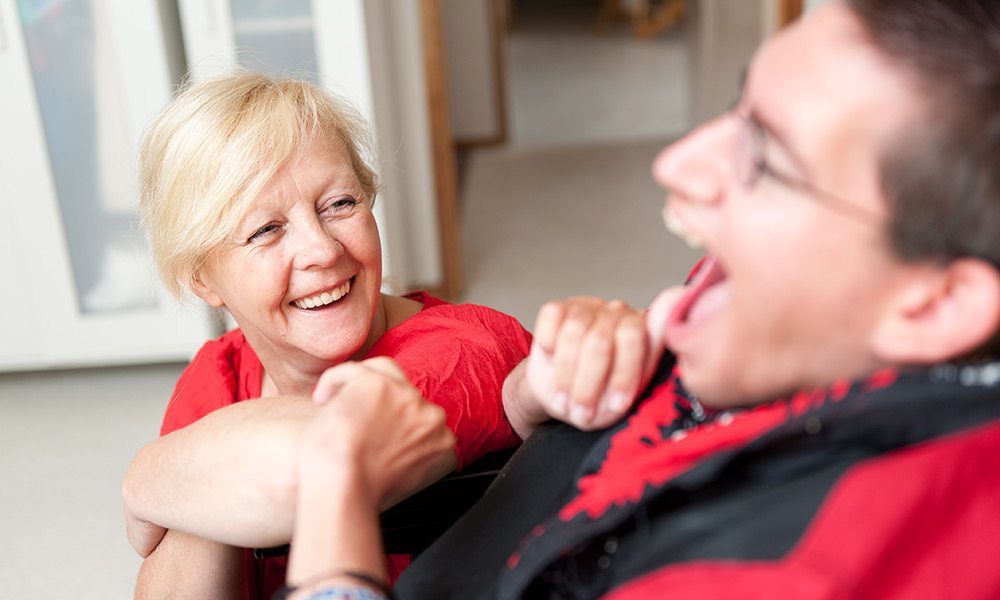
Medical care alone cannot address all the challenges faced by older adults with multiple conditions. Daily tasks—such as meal preparation, medication reminders, mobility assistance, and personal care—often require additional support, particularly during periods of illness or recovery.
Homecare services can bridge this gap by providing practical assistance within the patient’s living environment. Organizations like Alpenglow Homecare in CO, which offer senior assistance in the home and caregiver support in Aurora, Colorado, may help older adults maintain safety and independence while managing complex health needs.
This support not only benefits patients but also reduces caregiver burden and supports continuity of care outside clinical settings.
Supporting Transitions Between Care Settings
Transitions—such as hospital discharge, initiation of cancer treatment, or recovery after an acute illness—are high-risk periods for older adults. Miscommunication, medication errors, and lack of follow-up can lead to setbacks or readmission.
Home-based caregivers play a crucial role during these transitions, helping implement care plans, observe changes in condition, and communicate concerns to healthcare providers. Their presence provides continuity when patients move between medical environments.
Coordinated transitions help ensure that treatment plans are followed accurately and adjusted as needed.
Emotional and Cognitive Considerations in Integrated Care
Chronic illness, cancer diagnoses, and functional decline can significantly affect emotional well-being. Anxiety, depression, and cognitive changes are common among older adults managing complex health issues. These factors influence treatment adherence, recovery, and overall quality of life.
Integrated care models recognize emotional and cognitive health as essential components of medical support. When healthcare providers remain attentive to these dimensions, they can identify concerns early and facilitate appropriate interventions.
Addressing emotional health alongside physical care fosters resilience and preserves dignity in later life.
Communication as the Core of Coordination
Effective coordination depends on clear communication among providers, caregivers, patients, and families. Shared understanding of goals, treatment plans, and warning signs helps prevent fragmentation and confusion.
Regular updates between primary care, oncology teams, and homecare providers ensure that everyone remains aligned. This communication allows care plans to evolve responsively as conditions change.
When communication flows smoothly, patients experience care as cohesive rather than overwhelming.
Planning for Long-Term Stability and Support
Integrated care is not only about responding to crises—it is also about planning for the future. Advance care planning, functional assessments, and discussions about long-term support needs help families prepare proactively.
By anticipating potential changes, care teams can reduce uncertainty and support informed decision-making. This foresight contributes to stability and peace of mind for both patients and caregivers.
Long-term planning reinforces the goal of maintaining autonomy and quality of life for as long as possible.
Conclusion: A Holistic Model for Aging Well
Caring for older adults with multiple conditions requires more than isolated medical interventions. It calls for a coordinated, compassionate approach that integrates medical oversight, specialized treatment, and daily support within the home.
By aligning primary care, oncology services, and home-based assistance, integrated care models address the full spectrum of needs that accompany aging. This collaboration supports not only disease management but also functional independence, emotional well-being, and dignity.
As the population ages, coordinated care will continue to play a vital role in helping older adults navigate complex health journeys with clarity, comfort, and respect.
About the Author