

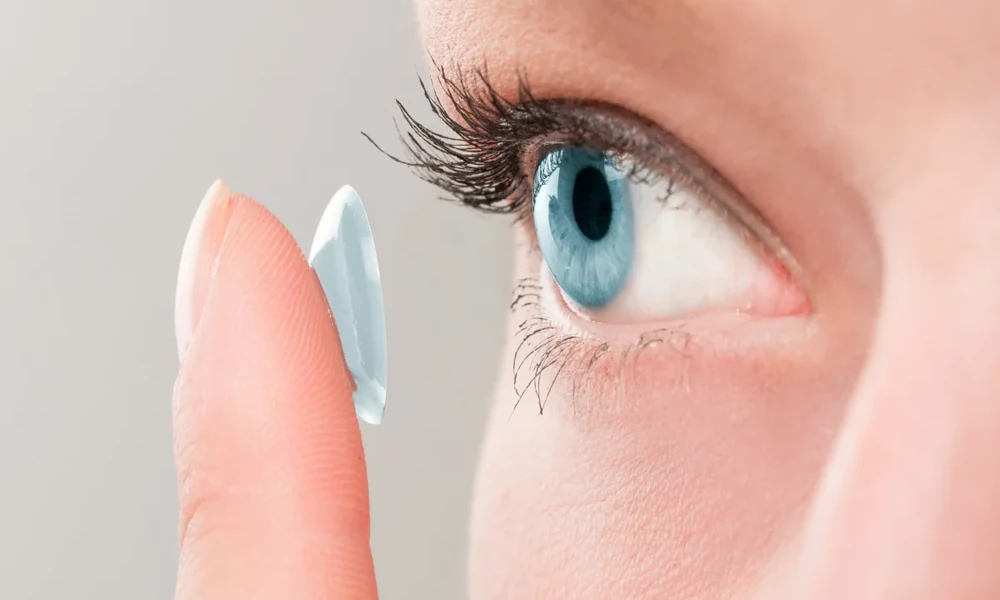
Contact lenses can make daily life easier. They give clear vision without the weight of frames, and they are useful for school, work, sports, and social events.
However, a contact lens sits directly on the eye. This means small habits can affect comfort, eye health, and clear vision. Many cases of dryness, redness, and irritation happen because lenses are not worn, cleaned, or stored properly.
The good news is that most common mistakes are easy to avoid. With the right care routine and regular advice from an eye care professional, contact lens wear can feel safer and more comfortable.
Wearing Lenses for Too Long
One common mistake is wearing lenses longer than recommended.
Some people keep their lenses on from early morning until late at night. Others try to stretch their daily, bi-weekly, or monthly lenses past the stated replacement schedule. This may seem harmless, but it can lead to dryness and irritation.
Contact lenses need to allow enough oxygen to reach the eye. When lenses are worn for too long, the eyes may feel tired, dry, or sore. Protein, dust, and other deposits can also build up on the lens surface.
To avoid this, follow the wear time given by your optometrist. Also follow the replacement schedule on the lens packaging. If your eyes feel uncomfortable before the day ends, remove the lenses and use your glasses instead.
Sleeping With Contact Lenses In
Sleeping in contact lenses is another risky habit.
Even a short nap can make the eyes feel dry, red, or gritty. During sleep, the eyes receive less oxygen. A lens can reduce oxygen flow even more, especially if it is not designed for overnight wear.
The CDC advises removing lenses before sleeping, showering, or swimming to help lower the risk of infection. It also recommends following the replacement schedule given by an eye care provider.
Unless your eye care professional has told you that your lenses are safe for overnight wear, remove them before sleeping. Keeping a pair of glasses nearby can help if you feel too tired at night.
Touching Lenses With Unwashed Hands
Hands come into contact with phones, keyboards, door handles, makeup, skincare, and food. If you touch your lenses without washing your hands, dirt and germs can move from your fingers to your eyes.
This can lead to stinging, redness, and possible infection.
Before handling any contact lens, wash your hands with soap and water. Dry them with a clean, lint-free towel. Wet hands can leave water or small fibres on the lens, which may irritate the eye.
Avoid using oily soaps, lotions, or strong hand creams before handling lenses. These can leave residue that transfers to the lens surface.
Using Water on Contact Lenses
Water should never be used to rinse or store contact lenses.
Tap water, bottled water, and shower water are not sterile. They may contain tiny organisms that can cause serious eye infections. The American Optometric Association warns that tap water should not be used to rinse lenses because it can increase the risk of severe eye infections.
This also means lenses should be removed before swimming or showering. If water gets into the eyes while wearing lenses, remove the lenses as soon as possible. Use fresh solution if they are reusable, or replace them if they are daily disposable lenses.
Reusing Old Lens Solution
Some people “top up” old solution in the lens case instead of replacing it fully. This is a mistake.
Old solution may no longer disinfect lenses well. It can also hold germs, dust, and debris from the previous use. Adding fresh solution to old solution does not make it clean again.
Always empty the lens case after use. Rinse it with fresh contact lens solution, not water. Leave it open to air dry. When storing reusable lenses, use fresh solution every time.
The CDC also advises using fresh contact lens solution and avoiding the mixing of old and new solution.
Not Cleaning the Lens Case
The lens case is often forgotten, but it is part of the contact lens care routine.
A dirty case can transfer germs back onto clean lenses. Even if the lenses are cleaned properly, storing them in an unclean case can cause problems.
Clean the case daily with fresh solution. Let it air dry upside down on a clean tissue. Replace the case regularly, especially if it looks dirty, cracked, or worn.
It is also best not to keep the case in damp areas for long periods. Bathrooms can be humid, which may encourage germs to grow.
Wearing Lenses When the Eyes Feel Irritated
Some people continue wearing lenses even when their eyes feel dry, itchy, or painful. This can make the problem worse.
Eye discomfort may be caused by dryness, allergies, a damaged lens, poor fit, or early signs of infection. If the eye is red, painful, sensitive to light, or producing discharge, remove the lenses right away.
Do not put the same lenses back in if the discomfort continues. Wear glasses and speak with an eye care professional.
The American Academy of Ophthalmology notes that poor cleaning, disinfection, and storage can lead to serious eye infections.
Using the Wrong Contact Lens Fit
Not all contact lenses are the same. Lenses differ in size, curve, material, water content, and wear schedule.
A lens that fits poorly may move too much or feel too tight. It may cause blurred vision, dryness, or a scratchy feeling. This is why a proper fitting is important, even for people who already know their prescription.
Spectacle Hut’s ContactLensCAREPlus+ service focuses on contact lens fitting and aftercare, with support for comfort, confidence, and long-term eye health. This kind of professional fitting can help users understand which lenses suit their eyes and how to care for them properly.
Ignoring Aftercare Appointments
Some people only visit an eye care professional when they need a new prescription. However, aftercare is important for contact lens wearers.
Your eyes can change over time. A lens that once felt comfortable may no longer be the best choice. Regular checks can help detect dryness, poor fit, or early signs of irritation before they become bigger problems.
Aftercare also gives you a chance to ask about better lens options, wear time, cleaning steps, or dryness concerns.
Simple Habits That Help Keep Eyes Comfortable
Good contact lens habits do not need to be complicated. These small steps can help reduce discomfort:
- Wash and dry your hands before touching lenses.
- Use only fresh contact lens solution.
- Keep lenses away from all water.
- Replace lenses on schedule.
- Remove lenses before sleeping, swimming, or showering.
- Clean and replace your lens case regularly.
- Stop wearing lenses if your eyes feel painful or very red.
Contact lenses can be safe and comfortable when used correctly. Most problems start when simple care steps are skipped.
By following proper hygiene, using the right lens fit, and going for regular aftercare, contact lens wearers can enjoy clearer vision with fewer problems.
